Momentum for progressive investment in more sustainable farming systems has slowed down or even stopped due to over restrictive and burdensome EU legislations such as the Water Framework Directive, the Birds and Habitat Directives, or the Nitrates Directive. Despite the European Commission putting “simplifying for sustainable competitiveness” at the centre of its political agenda for 2024 2029 and announcing “stress‑tests” for several pieces of environmental legislation, those on the ground are faced with several hurdles to invest in their farms.
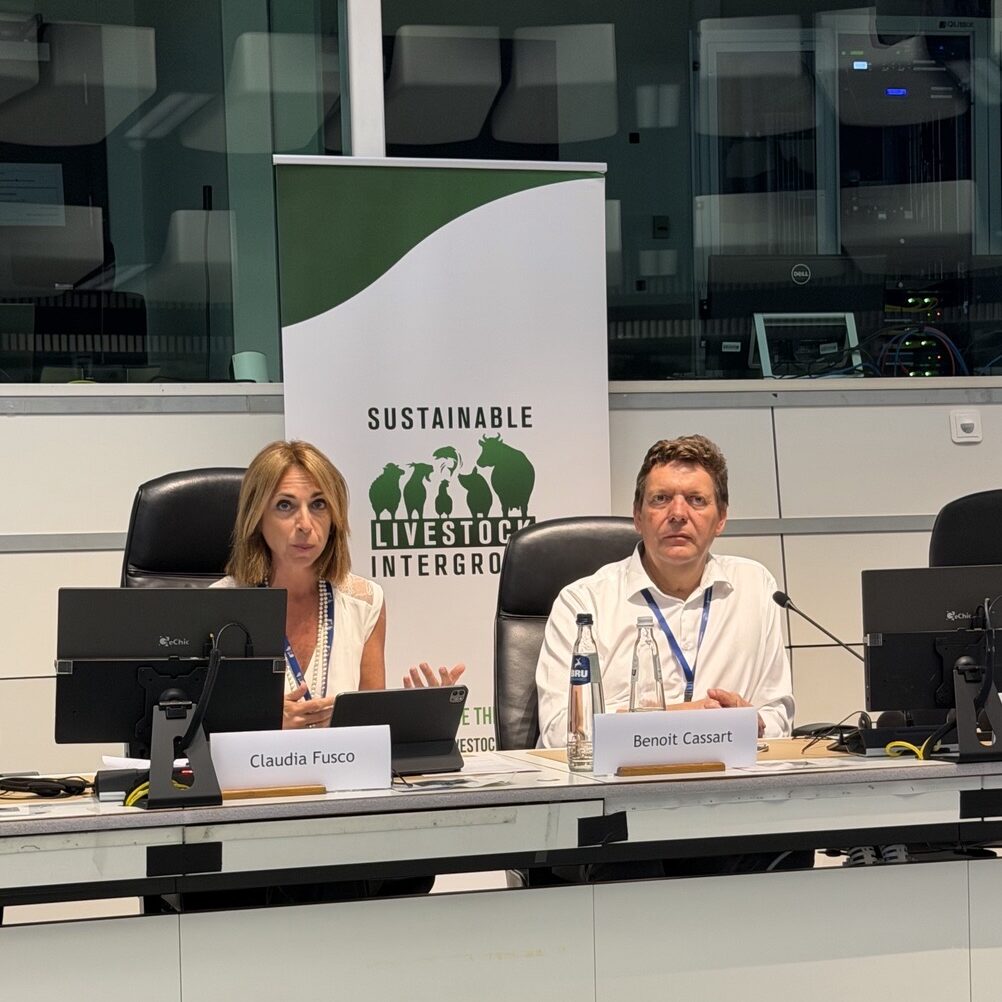
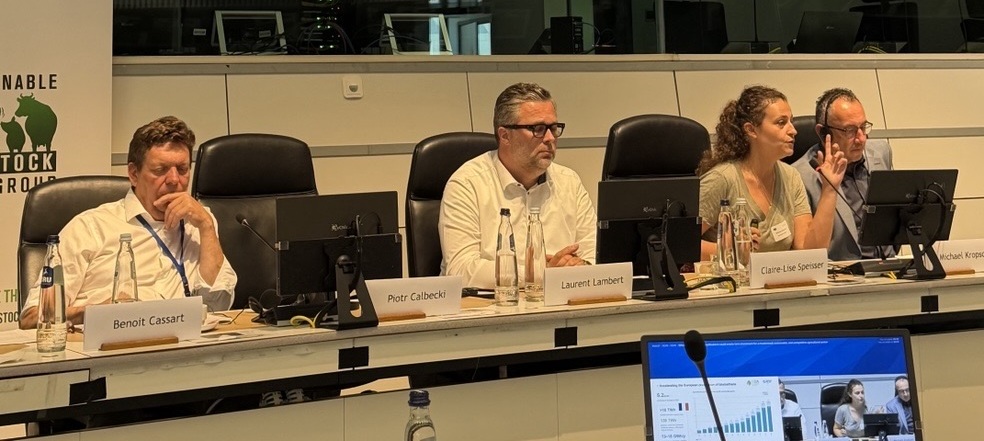
Chairing MEP, Benoit Cassart opened the meeting highlighting the many contradictions farmers face e.g. people say they want to eat local, but they complain about the smells and noise of local farms – a real Not in my backyard attitude.
“Farmers are asked to invest in environmentally-friendly practices, but then they are faced with many challenges to get the permits to do so“, he said. Co-host Piotr Calbecki, President of the NAT Committee asked: How can we confront this contradiction?
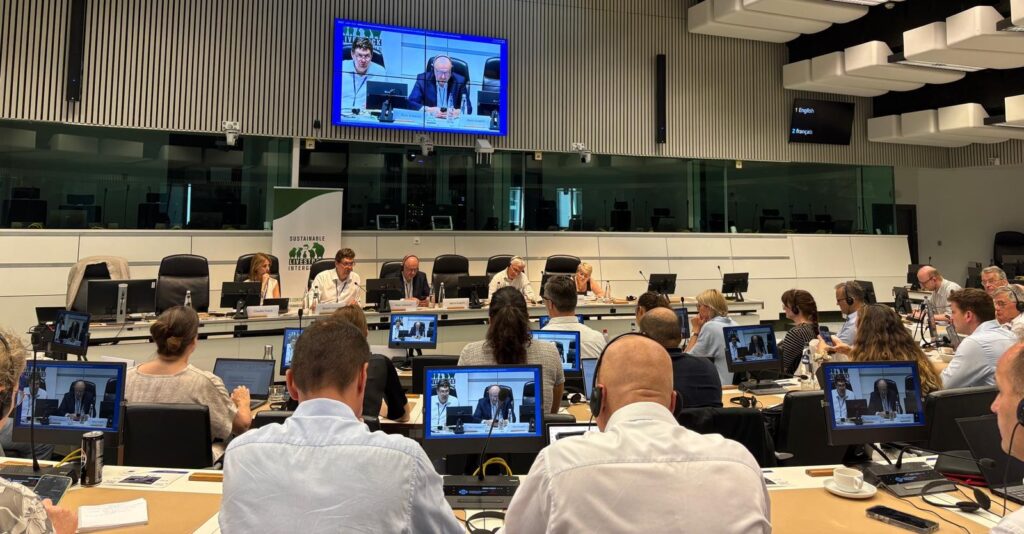
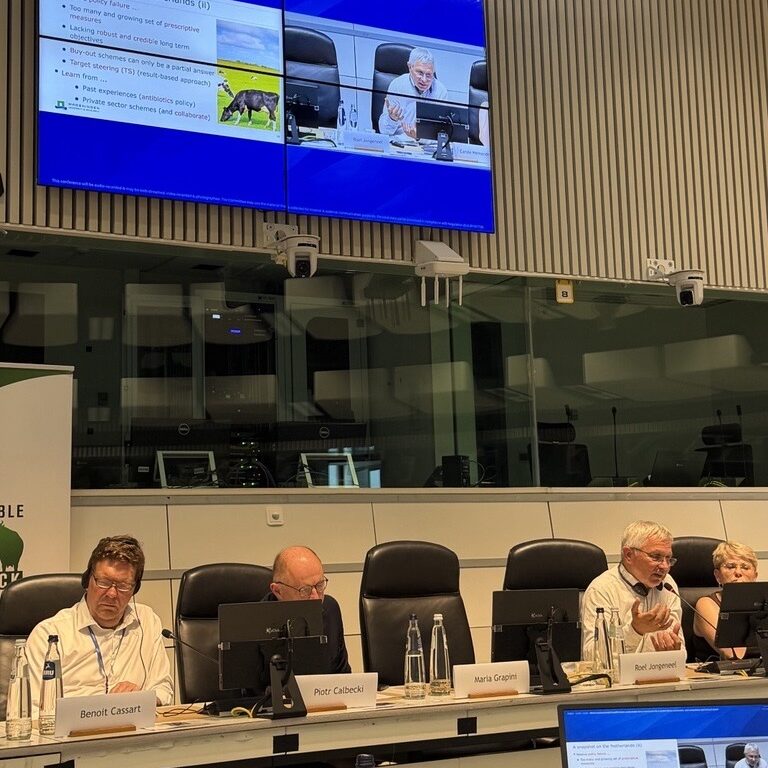
Setting the scene with some data on EU livestock farming, Roel Jongeneel from Wageningen University said there is a clear need for innovative policy approaches to support the innovations needed in the livestock sector. Investment in livestock farms development has been stalled in the Netherlands for example, due to flawed environmental and nature legislation and the accompanying high policy uncertainty. “A hampering policy approach is bad for agricultural development and does not help the environment in the long-run.”
Claudia Fusco from DG ENVI said that agriculture and the environment go hand-in-hand, but “we need to see how we can work together to reach the best compromise”. She explained that farmers need to be both resilient and competitive, so the Commission is working to make better use of the CAP, with current proposals indicating that those farmers who do more for sustainability should be compensated more.
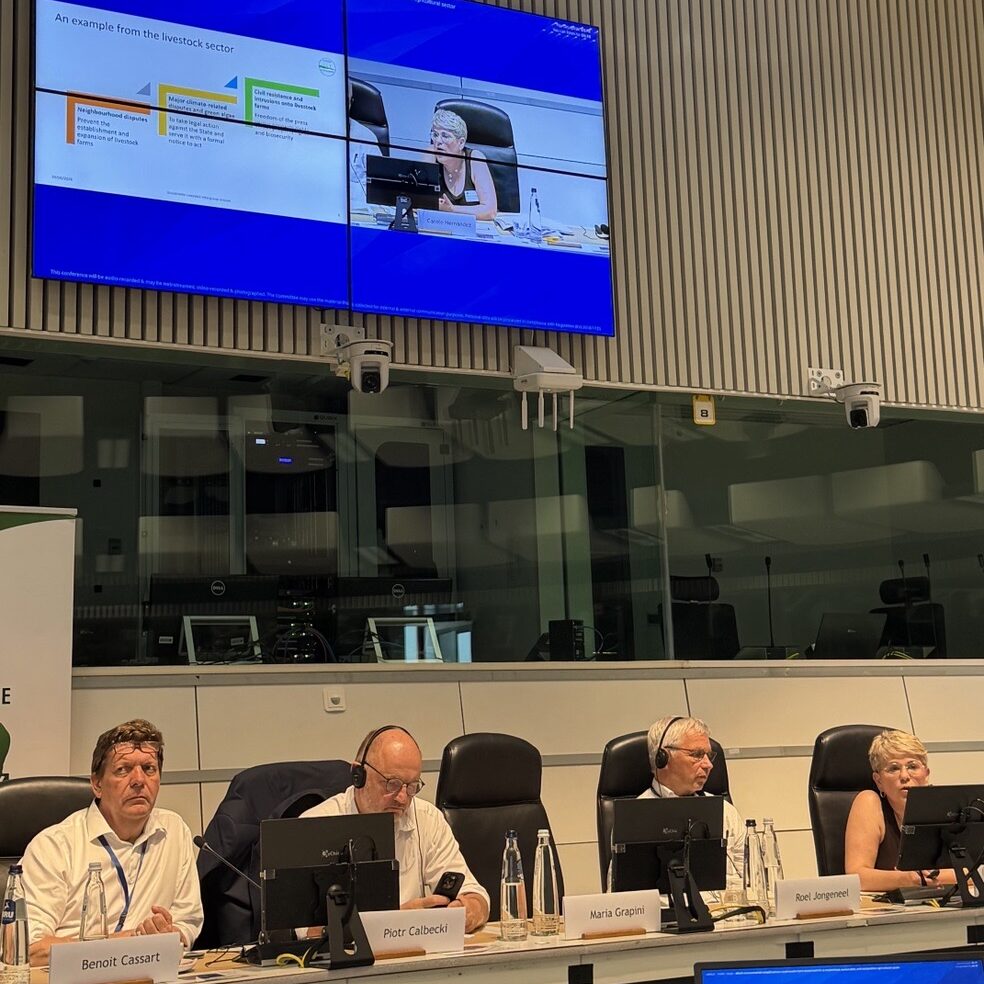
Carole Hernandez, a lawyer who recently wrote a paper for Les Z’Homnivores on litigation in the agricultural sector, shared some highlights from the publication: Farmers face all sorts of litigations including neighbourhood disputes (noise, smells), climate-related complaints (green algae), and intrusions onto livestock farms (press, activists). She also outlined that farmers are facing increasing amounts of litigation over construction permits as people oppose them, often interpreting regulations for a specific outcome to set legal precedent.
The second panel saw those working in the field share their concerns:
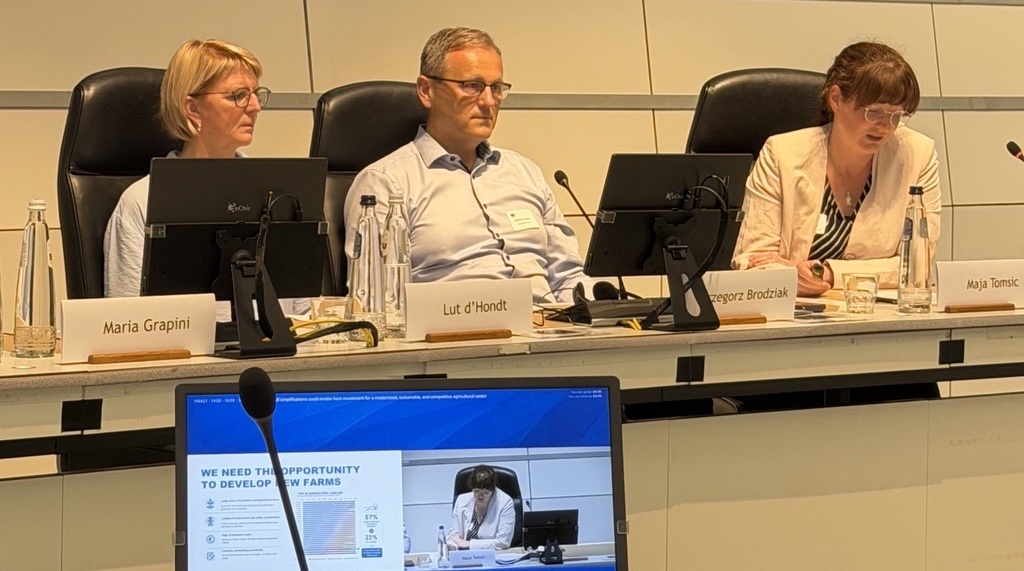
Shifting the focus to innovative technologies that are facing issues with environmental legislation, Claire-Lise Speisser from the European Biogas Association highlighted some bottlenecks faced by the sector: community acceptance of biomethane production, financing, location, and feasibility of gas grid injection.
Laurent Lambert from Biowanze, a company producing bioethanol and animal feed, amongst others, stated that European biorefineries should be recognised as strategic assets for Europe, as they help to reduce Europe’s dependency on fossil fuels. Changes in EU regulations are simply penalising longstanding ‘good players’. And, Michael Kropsch, a livestock emissions researcher said that advanced technologies for barns can meet multiple goals: higher animal welfare, disease reduction, lower emissions – but farmers need certainty that permits to adapt barns will be granted.
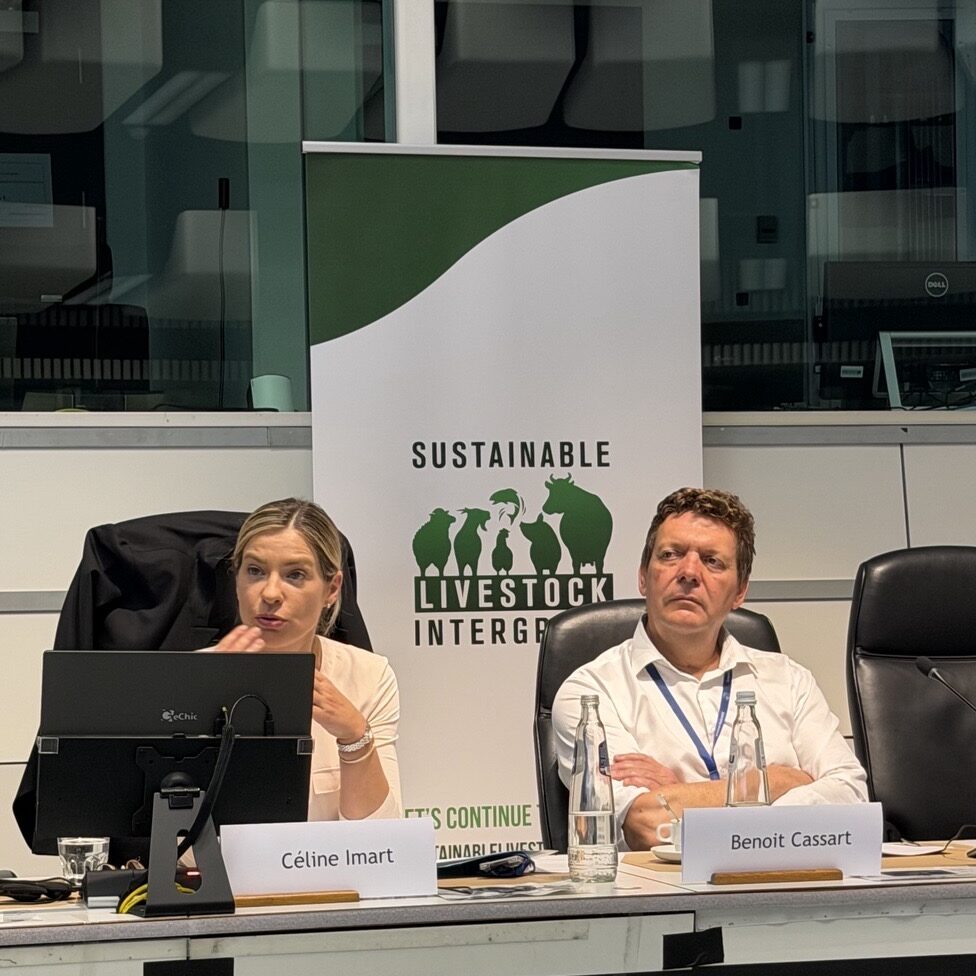
The event was concluded by MEP Céline Imart, who underlined that the list of hurdles that farmers face when it comes to making improvements for sustainability, etc. is quite simply too long.
She said that simplification efforts from the European Commission do not go far enough: Farmers are held hostage between permits acceptance and expectations for improvement – this needs to change!
Presentations:
Disclaimer : The European Committee of the Regions (CoR) hosted the event but is not responsible for its content
Members of the Sustainable Livestock Intergroup visited a hatchery in the Netherlands to explore how technology can support the phase-out
The Common Agricultural Policy (CAP) must remain a central framework to support European agriculture and the conditions to enable farmers
How do the requirements of the EU Deforestation Regulation (EUDR) impact the competitiveness of the EU livestock sector? The EUDR