The Common Agricultural Policy (CAP) must remain a central framework to support European agriculture and the conditions to enable farmers to thrive and invest. As discussions around the new CAP advance, addressing how the policy should respond to the needs of the livestock sector, support the diversity of European regions, and be sufficiently funded to do so is of crucial importance.
This Intergroup session brings together lawmakers, the European Commission, academia, and regional and agricultural representatives. It will explore how to unlock the full potential of the CAP for livestock farmers and European regions, and the mistakes to be avoided to ensure the policy delivers on its promises.
Watch the full session here:
The Common Agricultural Policy (CAP) plays a central role in supporting European livestock farming, from maintaining farm incomes to enabling investment in animal welfare, environmental improvements and modernisation. As discussions on the next CAP advance, how can the policy respond to the different needs of livestock farmers across Europe, and ensure that ambitions for the sector are backed by adequate funding?
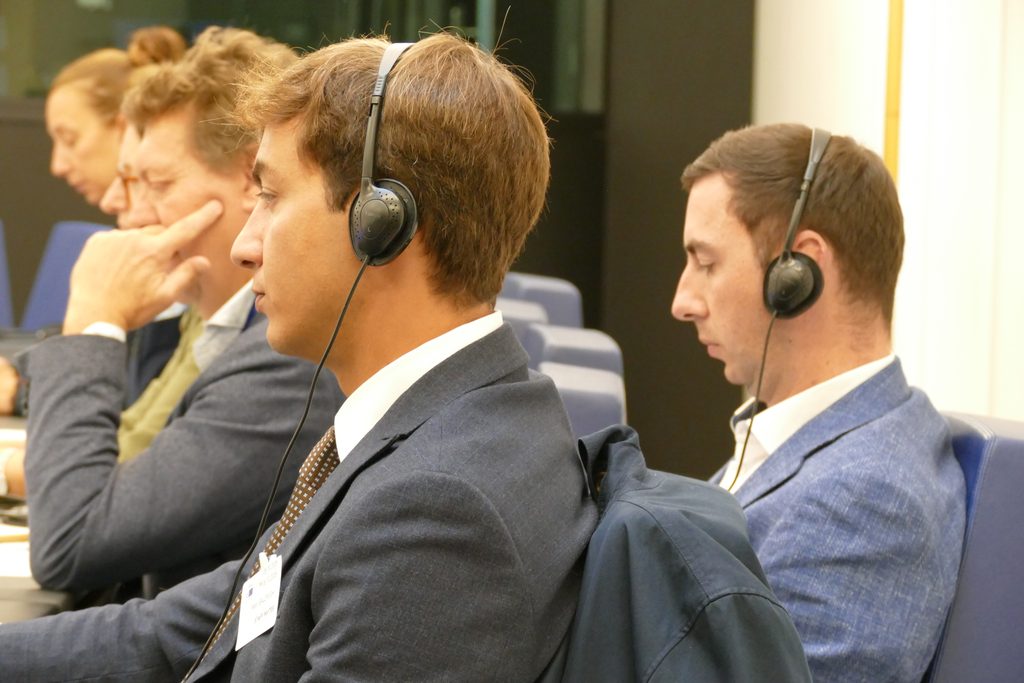
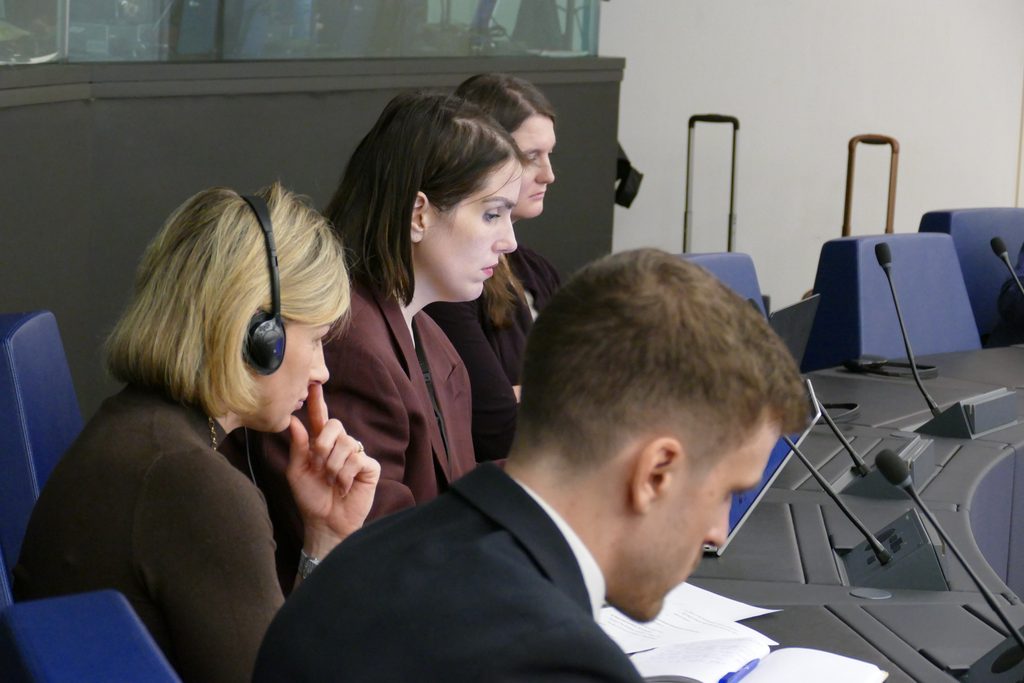
These were the questions that brought together MEPs, the European Commission, academia, regional representatives and farmers at the Sustainable Livestock Intergroup’s meeting on 8 October.
Following welcoming remarks from co-chair MEP Benoit Cassart, MEP Alexander Bernhuber opened the discussion by highlighting the importance of livestock to Europe’s rural regions, particularly mountain and less-favoured areas. Drawing on the Austrian experience, he described how family farms with cattle, sheep and goats sustain landscapes, villages, tourism, and food production.
Yet these farms face mounting pressures from high input costs and market volatility to disease outbreaks, labour shortages and ever-evolving requirements. He underlined the importance of the CAP’s second pillar in helping farmers respond to these challenges, through investment support and compensation for farming in areas with natural constraints.
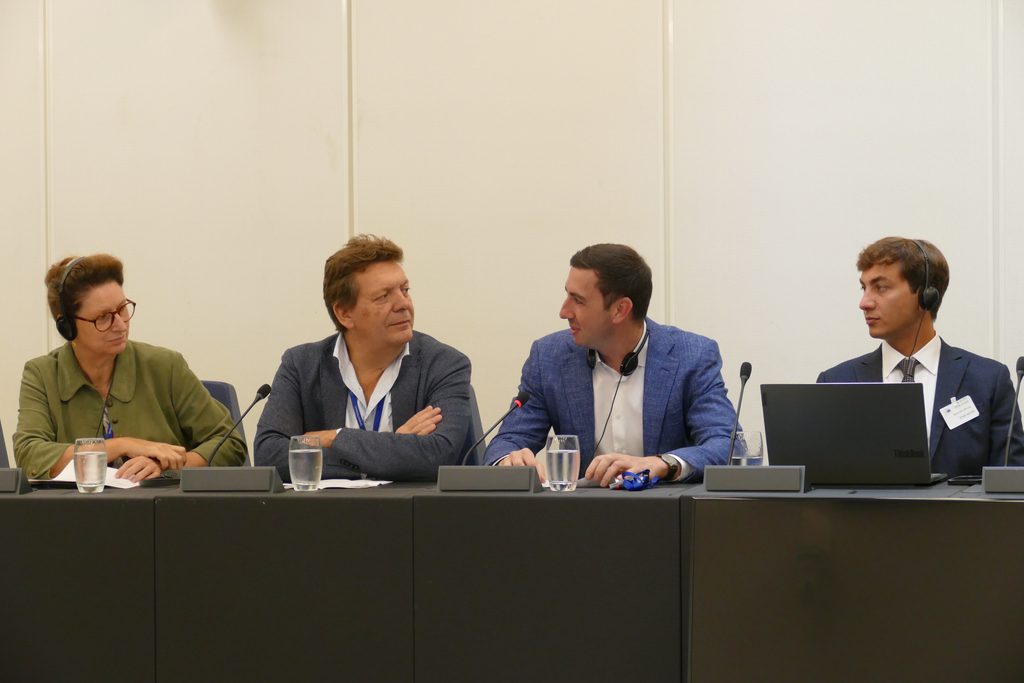
Pierre Bascou, from DG AGRI, outlined the European Commission’s five priorities for the livestock sector: resilience, competitiveness, sustainability, territorial balance and European excellence. He explained that achieving these priorities requires stronger risk management and disease prevention, better access to investment, support for more sustainable farming practices, and maintaining livestock production in regions at risk of abandonment.
He also highlighted work on financing tools, alongside support for precision farming, biogas and nutrient management. Maintaining access to local slaughterhouses, including mobile solutions, and communicating the quality of European livestock products were also identified as important elements of the Commission’s approach.
The discussion turned to whether the proposed CAP framework and budget would be sufficient to deliver these ambitions. Greater flexibility for Member States could help tailor support to regional needs, but participants repeatedly questioned whether it would also lead to widening differences in the support available to farmers across Member States.
Bringing a regional perspective, Marie-Sophie Lesne, Vice-President of the Hauts-de-France Region, and Laurent Degenne, President of the regional Chamber of Agriculture, described the dire consequences of declining livestock production: they reported a decline of 35% over ten years in their region, warning that the loss of livestock farms also threatens slaughterhouses, processing facilities, veterinary services and the wider local economy.
They called for stronger, more predictable support linked to livestock production, alongside an ambitious investment budget for adapting buildings, improving animal welfare, managing water and modernising equipment.
Professor Thia Hennessy from University College Cork examined how the proposed CAP changes could affect livestock farm incomes and resilience. Non-dairy grazing livestock farms have some of the lowest incomes in European agriculture and depend heavily on direct payments, making the design of future support crucial.
She explained that a move towards flatter area-based payments could benefit farms currently receiving below-average support per hectare. Redistribution through payment degressivity could also favour smaller livestock farms. However, while coupled support can provide immediate income relief, she cautioned that it does not necessarily encourage investment in long-term resilience and that some of its benefits can flow to input suppliers.
She also called for a more preventive approach to crisis management, supporting insurance, climate adaptation and diversification before shocks occur. Greater national discretion, she warned, risks making the CAP less common and creating an uneven playing field for European producers.
Pietro Baldrighi, an Italian dairy farmer, illustrated what CAP investment support can achieve in practice. Of the €4.5 million invested in his farm, approximately €1 million came through the Rural Development Programme, helping finance improvements to housing, milking facilities, animal welfare and working conditions. He said that the funding enabled him to make an investment that would not have been possible without it.
Monitoring technologies now allow earlier identification of animal health problems, helping reduce antibiotic use, while investments in renewable energy, minimum tillage and weather monitoring support the farm’s environmental performance and adaptation to climate pressures. The farm also hired additional staff following the investment. He expressed concern that a smaller CAP budget and changes to rural development funding could undermine farmers’ capacity to make similar improvements in future.
During the exchange, MEP Jessika van Leeuwen raised concerns about proposed Dutch requirements covering nitrogen, ammonia, greenhouse gases, phosphate and livestock density. She warned that 0.1% of Dutch farmers would be able to meet the draft requirements and that the combined requirements could force substantial herd reductions, threatening the viability of family farms. Her intervention echoed a concern expressed by other participants: that diverging national approaches risk creating unequal conditions for farmers operating within the same European market.
Responding to the discussion, the Commission stressed the role of Member States in designing plans that address regional needs and help reverse livestock decline. Work on a livestock platform to share proven climate and environmental solutions was also highlighted as a means of supporting practical improvements.
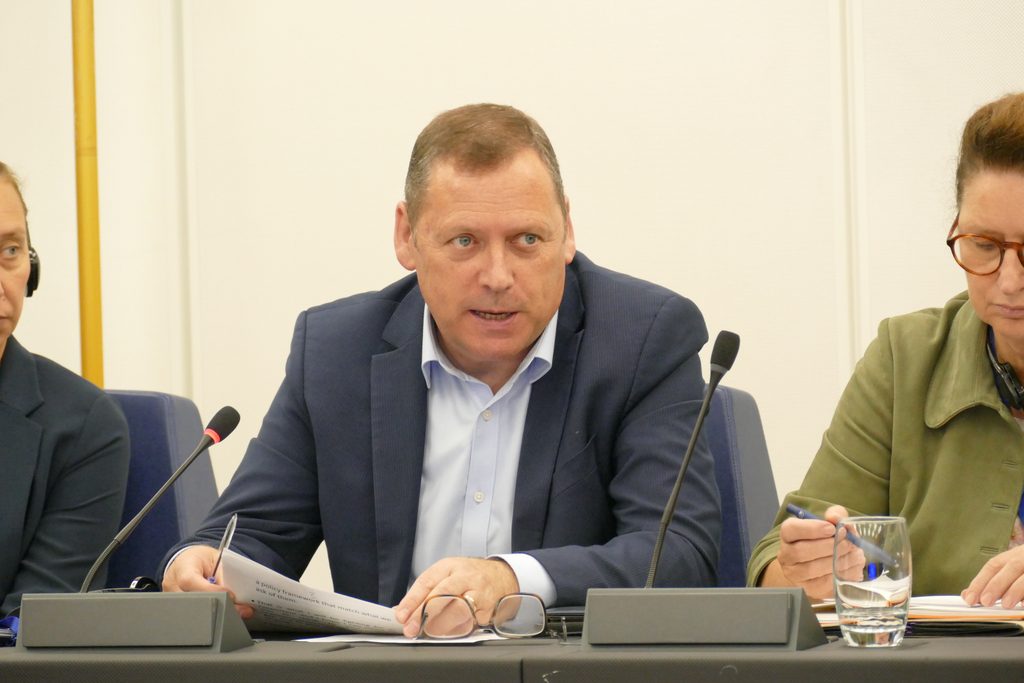
Closing the meeting, MEP Barry Cowen returned to the importance of securing adequate funding for the next CAP. He called for rural funding to be ring-fenced within the CAP and for national plans to include strategies to reverse livestock decline. He also highlighted the need to reduce reliance on imported inputs and support young farmers’ entry into the sector.
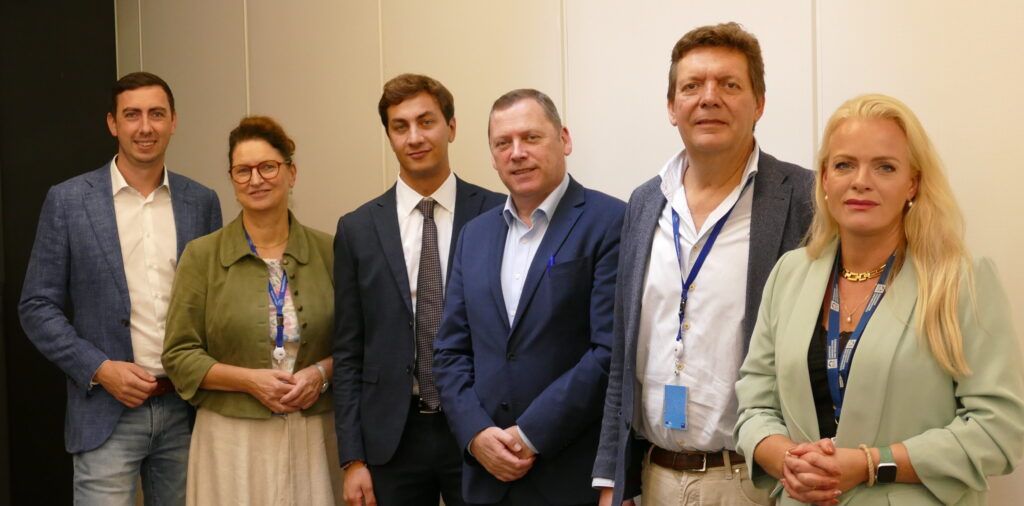
Thank you to MEPs Christine Singer, Nina Carberry, Jessika van Leeuwen, Thomas Waitz and Barry Cowen for their participation and contributions to the discussion.
Our next Intergroup meeting will take place on 26 November. We look forward to seeing you there.
Download the speakers’ presentations here:
The Common Agricultural Policy (CAP) must remain a central framework to support European agriculture and the conditions to enable farmers
Members of the Sustainable Livestock Intergroup visited a hatchery in the Netherlands to explore how technology can support the phase-out
How do the requirements of the EU Deforestation Regulation (EUDR) impact the competitiveness of the EU livestock sector? The EUDR