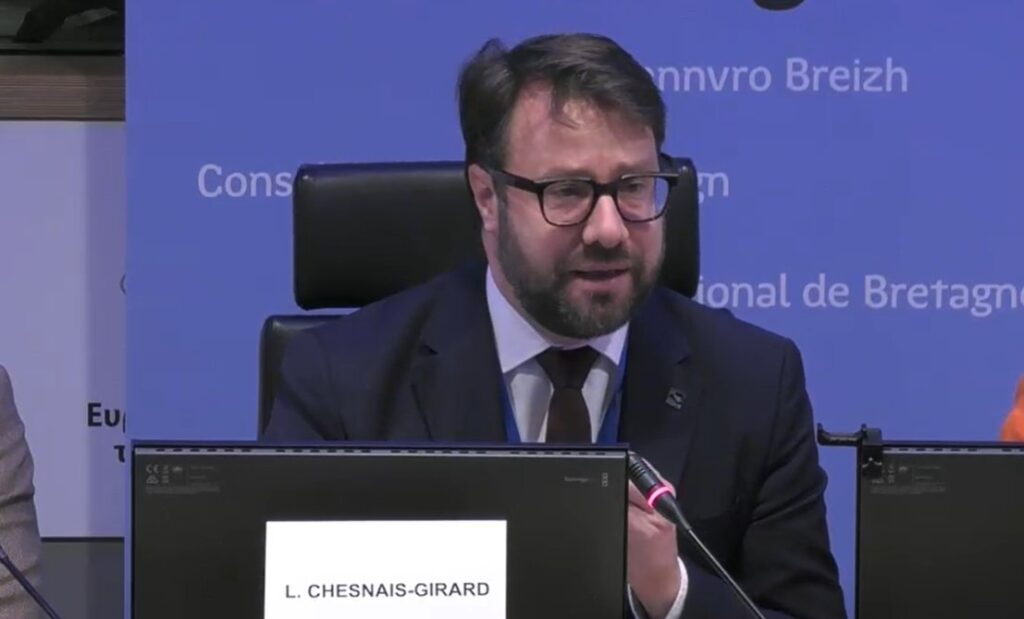
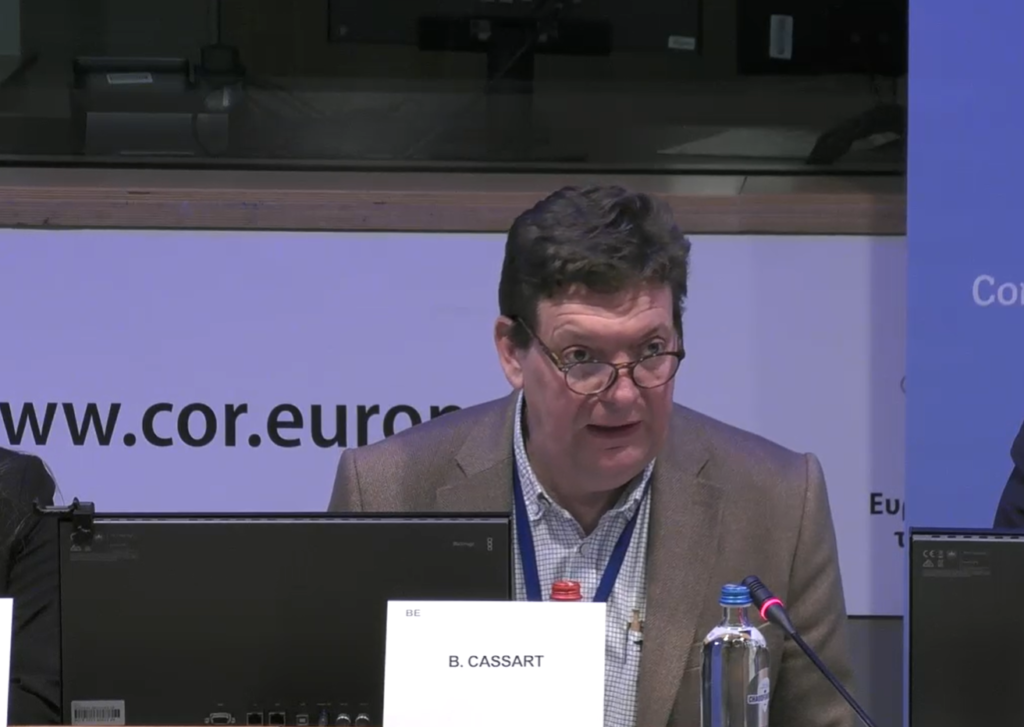
Livestock farming is essential for feeding Europe and maintaining food autonomy — a point highlighted by Loïg Chesnais-Girard, President of the Regional Council of Brittany, in his welcome speech. MEP Benoît Cassart opened the meeting emphasizing that reducing emissions cannot come at the expense of reducing livestock numbers while relying on imports. “Investing in new technologies remains essential,” he stated.
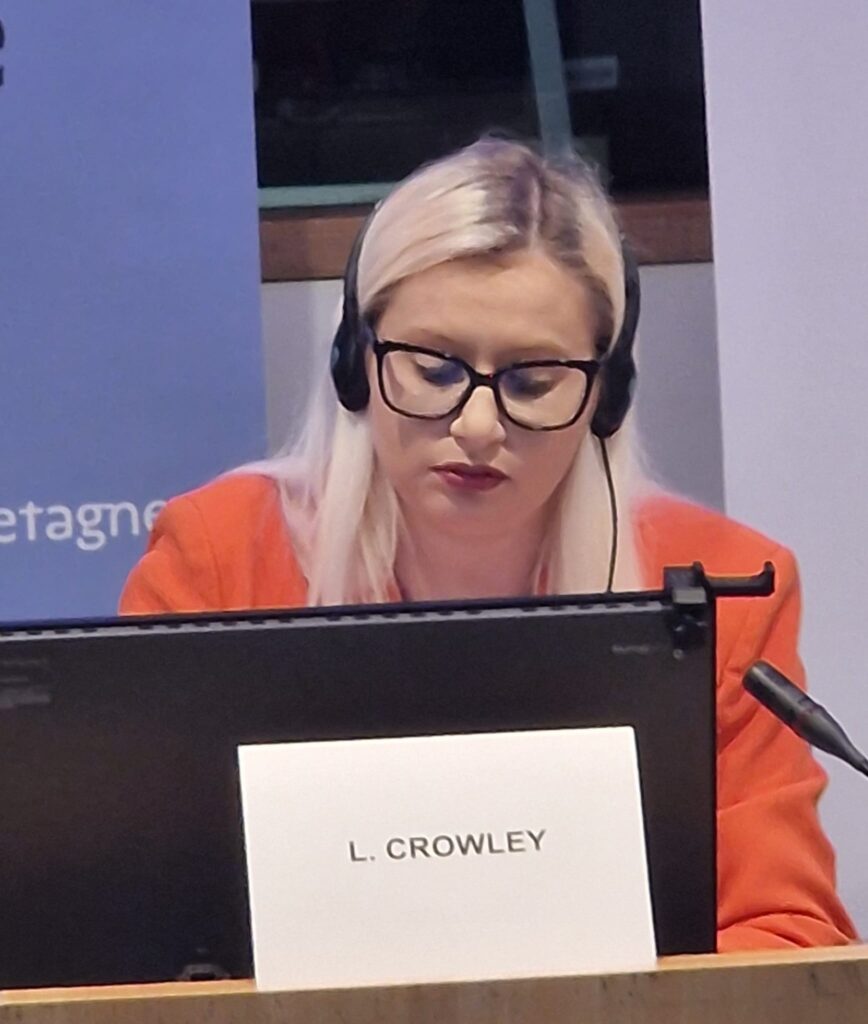
The meeting began with a powerful testimony from Irish dairy farmer Louise Crowley. Crowley shared that investing in animal health, monitoring, and breeding — combined with generational farming knowledge — has already led to measurable reductions in emissions. She stressed that young farmers need a stable policy environment that supports them rather than overburdens them.
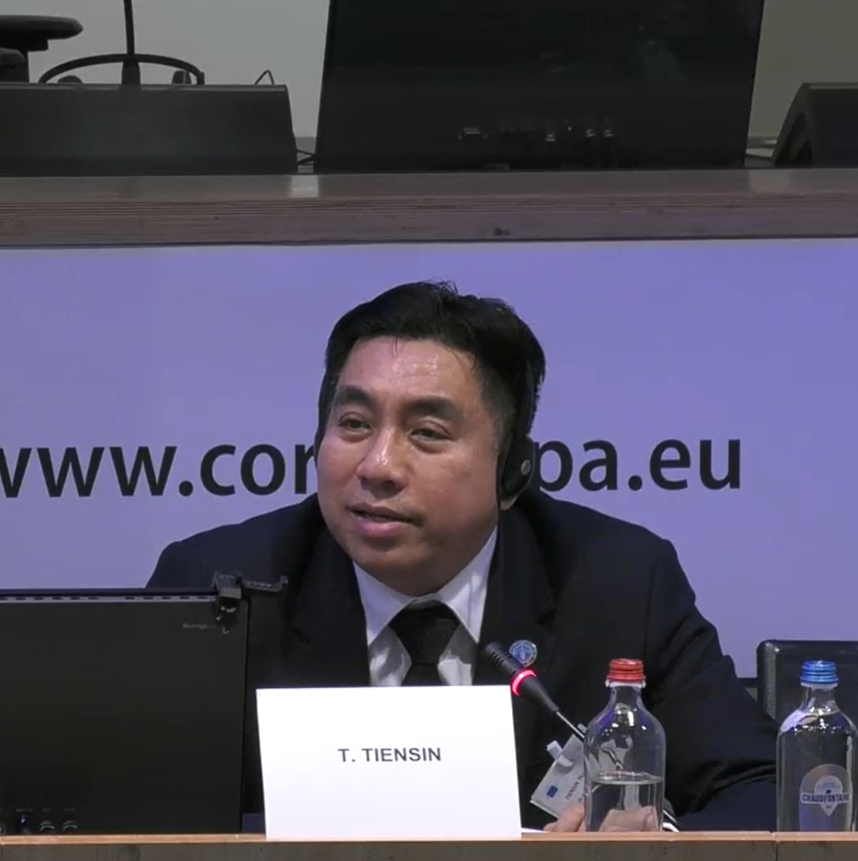
FAO Assistant Director-General Thanawat Tiensin delivered the keynote, highlighting the central role of livestock in food systems. “Only animals can convert grass and by-products into nutritious food for people,” he said, underlining the need for balanced narratives around animal protein and strong support for farmers.
Professor David R Yáñez-Ruiz (Spanish National Research Council) presented how feed additives, including probiotics, play an essential role in reducing emissions. Anaïs l’Hôte (IDELE) showcased the LIFE Carbon Farming project, covering 600 dairy and beef farms, which has already achieved a 15% reduction in carbon footprint over five years. The key lesson from her presentation: cutting farm emissions requires a whole-farm approach, from animal health to soil carbon, supported by robust monitoring.
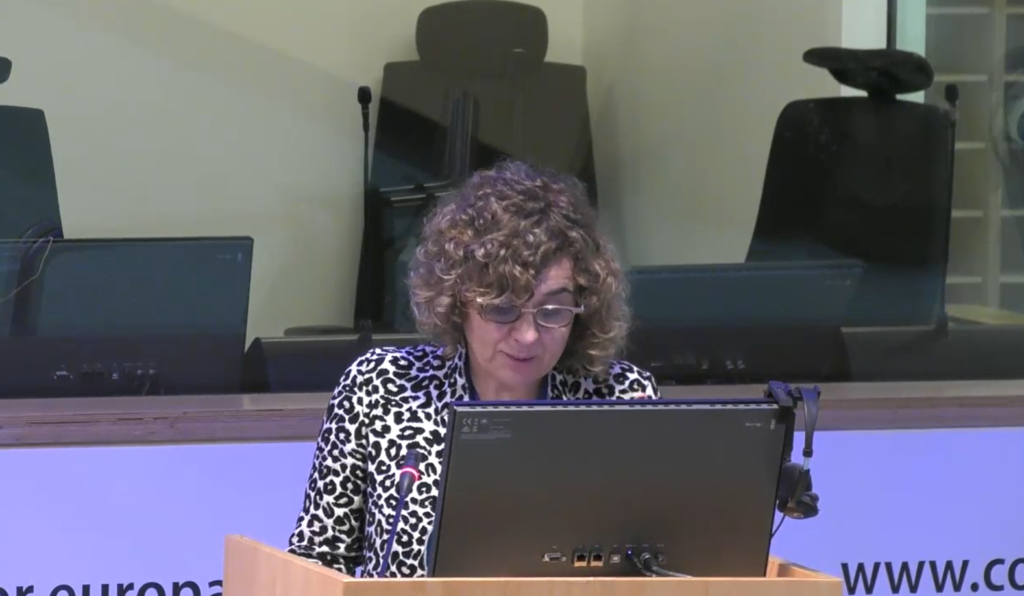
A panel discussion brought together MEP Dolors Montserrat, Christian Holzleitner (DG CLIMA), Thanawat Tiensin (FAO), Pierre-Marie Aubert (IDDRI), and Louise Crowley. Montserrat emphasized, “We cannot turn our farmers into villains and suffocate them with policies. Ensuring that livestock farming remains profitable and sustainable is essential for young farmers’ future.” She also welcomed the EU Commission’s new initiatives aimed at better food controls at EU borders and greater flexibility for small and medium farmers.
Holzleitner stressed that investments in climate solutions can be profitable for livestock farmers, and Aubert highlighted Europe’s responsibility to meet global food demand efficiently by leveraging regional strengths. Tiensin concluded that policies must remain farmer-centric, increasing competitiveness rather than adding burdens. Crowley echoed these points, reminding policymakers that young farmers need to feel supported and heard not just by governments but also by the public.
The meeting showcased both the progress made in reducing carbon emissions in livestock farming and the challenges that remain. From feed innovations to whole-farm strategies and policy reforms, the discussion highlighted that sustainable livestock farming is part of the solution for Europe’s climate and food security goals.
This guide was written to offer something better. It is built on three pillars of scientific evidence: the nutrient density
The upcoming EU Livestock Strategy highlights the need for livestock farming to contribute its fair share to the decarbonisation of
Our Chair MEP Benoit Cassart opened the February meeting of the Sustainable Livestock Intergroup saying that we can’t talk about