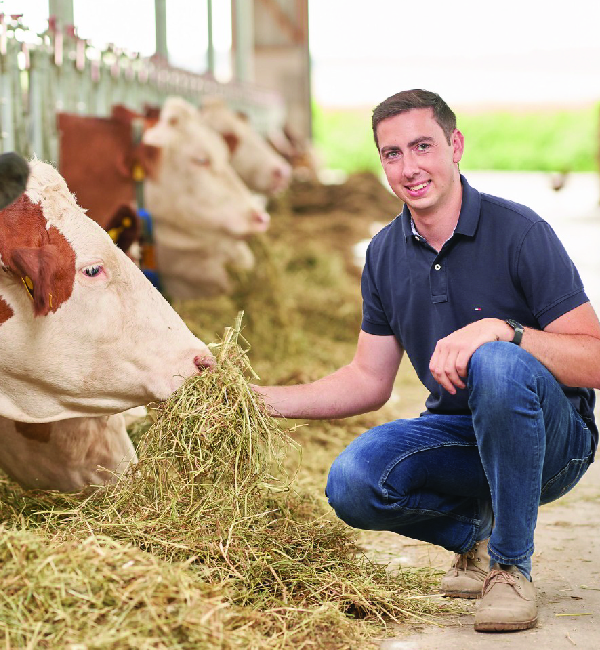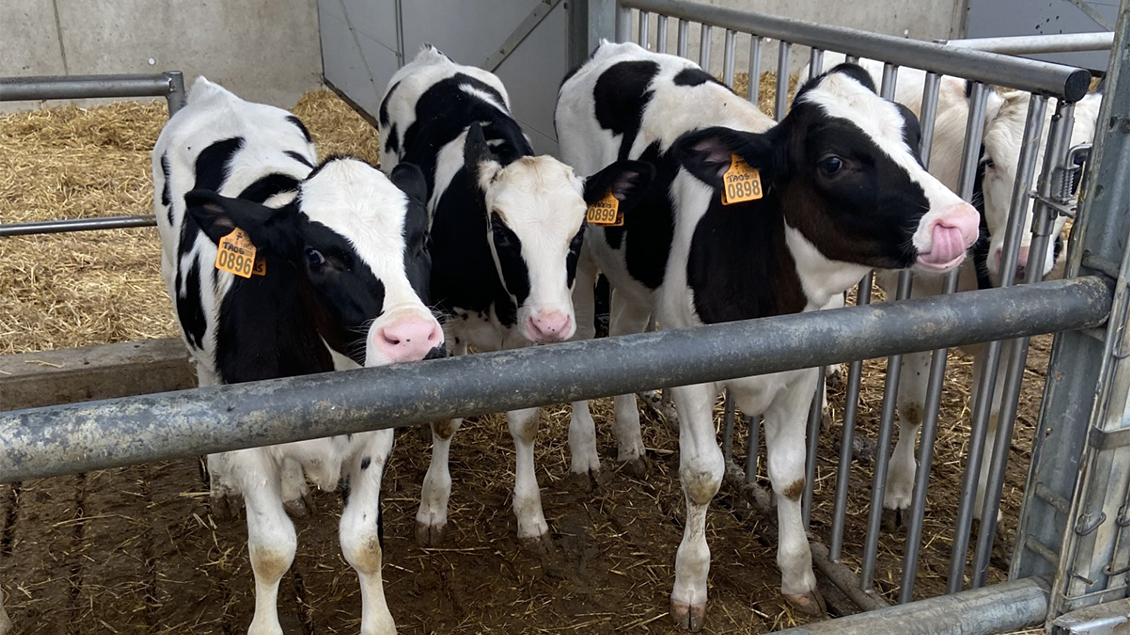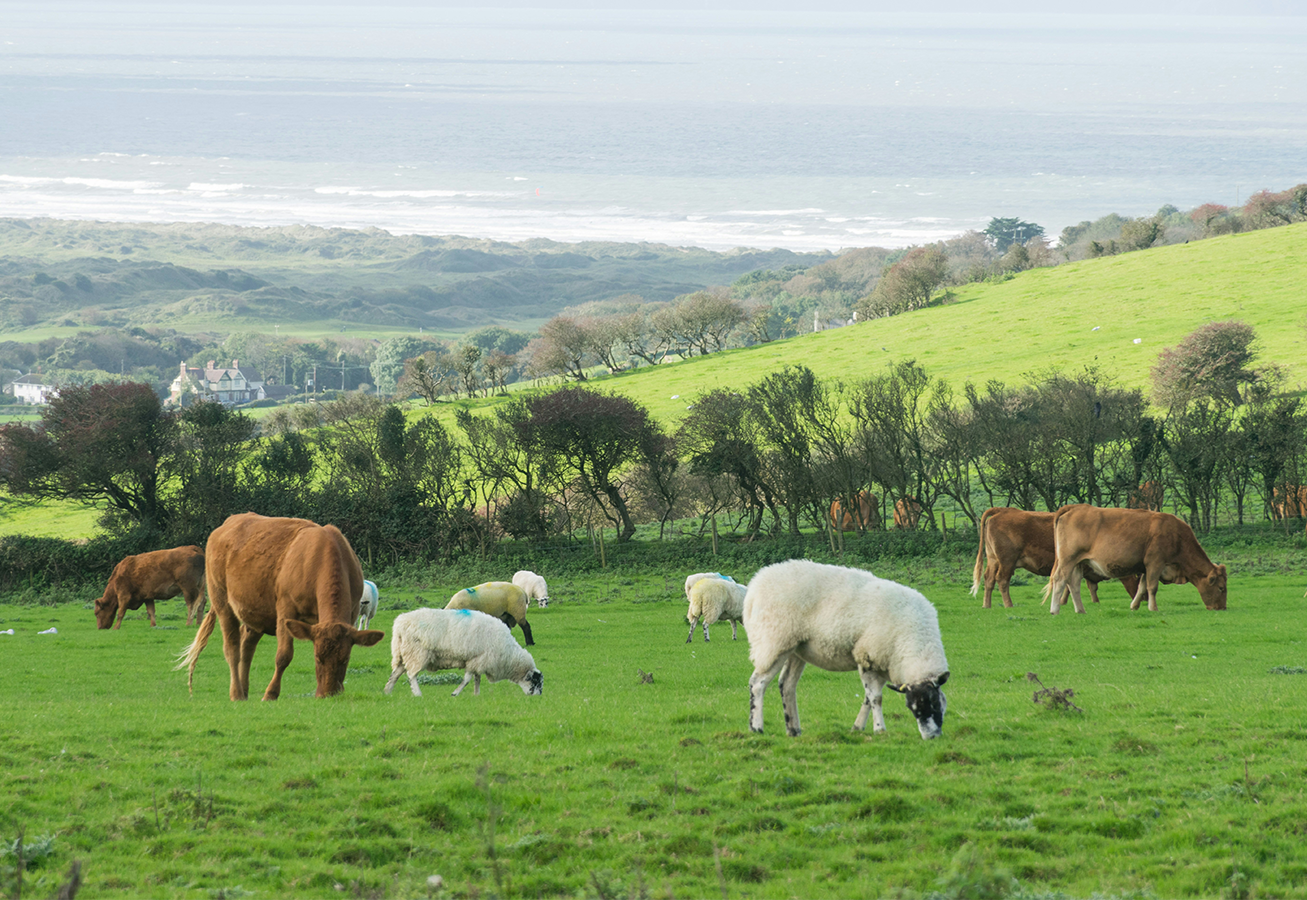
Europe’s farming landscape is rich and diverse. This diversity should be explored and leveraged to create more opportunities for sustainability in the sector. Different farming systems across the continent offer unique advantages, and recognising their potential is key to future agricultural development.
Stay updated with our work
For its launch, the new Sustainable Livestock Intergroup invites you to discuss a familiar topic in the European Parliament: animal transport. But with a renewed approach—what if we finally gave the floor to those who manage animal transport daily?
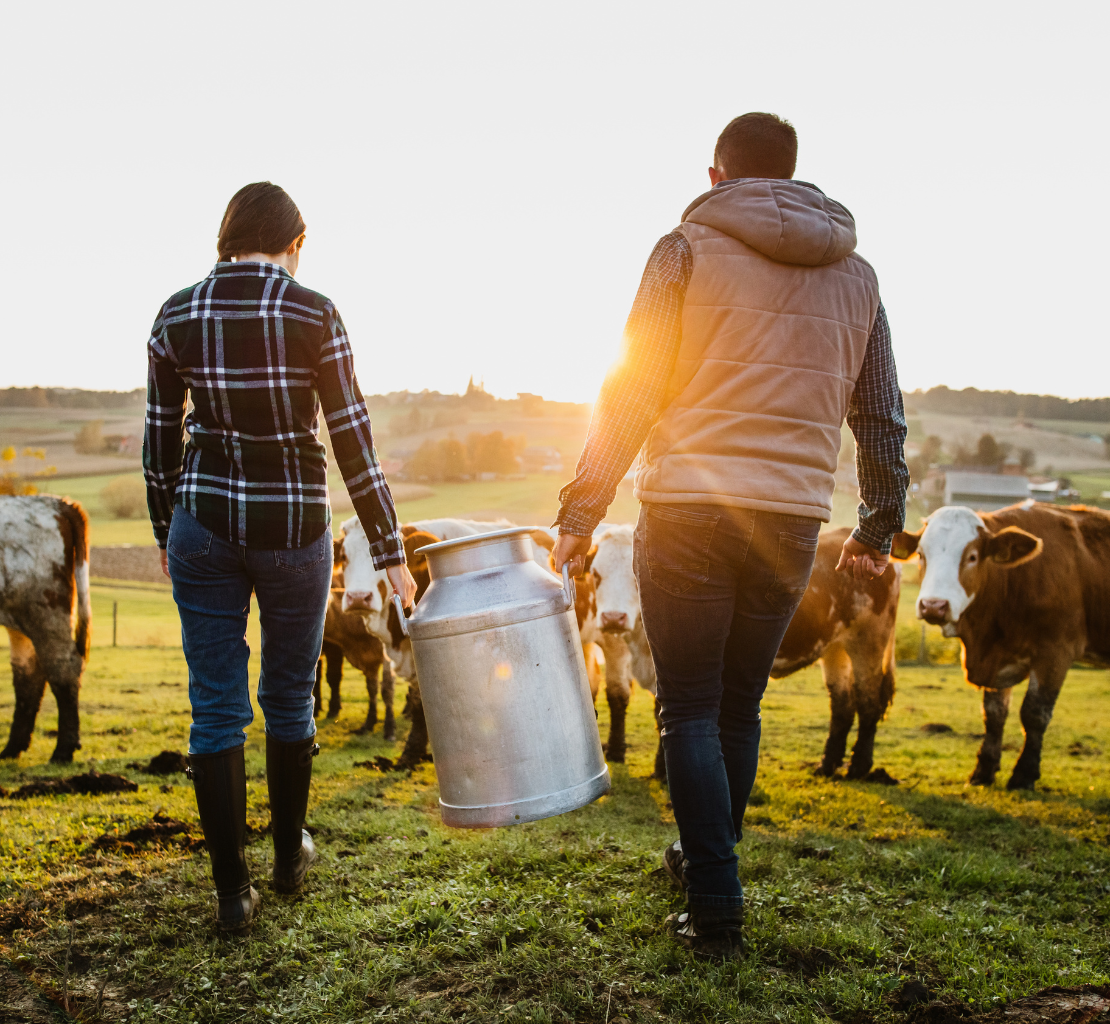
Farmers and transporters’ perspectives are often overlooked or difficult to find through simple research. Yet, their insights are essential to understanding how and why animals are transported in Europe and what practical measures could improve animal welfare—without compromising the well-being of those who care for them.
With this shift in perspective, the Sustainable Livestock Intergroup aims to foster a truly depolarized, fact-based, and field-oriented exchange between professionals, academics, policymakers, and civil society organizations. This approach is essential to grasping the economic, social, and environmental complexities of the issue—reflecting the three pillars of sustainability that inspired our Intergroup’s name.
This kind of in-depth dialogue, which was lacking in the previous term, especially on agricultural and livestock matters, is, in our view, the only way to advance balanced European policies and find meaningful compromises that work in practice.
To bring the discussion closer to real-world conditions, we will organize a live demonstration of a livestock truck in front of the European Parliament at the end of our first meeting for interested MEPs, assistants, and advisors.
The European Board on Agriculture and Food, a new expert group established by the European Commission, will play a central role on guiding the future for agriculture in Europe. The group is made up of sectoral associations, NGOs, and other parties with a limited range of expertise in the realities of livestock farming. As part of the Vision for the Future of Agriculture and Food, a Livestock Workstream has also been created to debate livestock-specific challenges and opportunities, but it is not yet clear how the workstream will feed into the Vision and the work of the EBAF.
Following on from our meeting on 19 June where academics discussed the various contributions of livestock beyond food production, this meeting will give the floor to professionals from the field – literally! Different farming practices, different animal species all require different directions, different solutions, and all have different ways to be sustainable. There is no ‘one-size-fits-all’ solution for the livestock sector as a whole.
This meeting will be an opportunity to hear directly from farmers and industry professionals about their vision for the future of their sectors and their expectations for EU policies to advance the sustainability of the sector.
The Commission Vision for Agriculture and Food shares a somewhat idyllic vision of ‘An agri-food sector that values food’ - presumably all types of food - ‘where the link between food, territory, seasonality, cultures and traditions are cherished as integral parts of the European way of life’. But just how much do European decision-makers value all foods? Are some foods viewed negatively purely because of opinions on production methods and environmental impacts?
As the Commission plans to launch a study on the impact of the consumption of the so-called ‘ultra-processed foods’, and the Danish Presidency puts its focus on the potential for a common EU action plan for plant-based foods and a common EU protein strategy, we are inviting nutrition and health experts to the European Parliament to talk about the nutritional value of animal sourced foods, the pros and cons of replacing animal proteins with alternatives, and health impacts of consuming meat, fish, milk, and eggs.
What is clear is that we need to ensure access to safe, high quality and nutritious food for all, and to make informed choices when it comes to food, consumers need access to trustworthy information.
Transboundary and emerging animal diseases have been increasing in occurrence over the past decades. Diseases which were once only reported outside of Europe’s borders are now more frequently occurring on European soil, and not solely in the continent’s southern climes. BTV, FMD, HPAI, ASF, PPR… If you recognise one or more of these acronyms, you’re likely also aware of the serious consequences such diseases can have on a farm and its animals. But can the impact of these diseases be limited? And is it always necessary to cull all animals on an affected farm?
The EU already has legislation on transmissible animal diseases, which is currently under evaluation. These rules are largely based on international standards, particularly the Terrestrial Animal Health Code of the World Organisation for Animal Health (WOAH), first adopted over 50 years ago. But over the past decades, the techniques and technologies available to prevent, diagnose, and contain these diseases have evolved significantly in the EU – so what can be done to future-proof these rules?
This event offers an opportunity to discuss whether the main practices governing the management of animal disease outbreaks (biosecurity, vaccination, culling) are still aligned with the latest scientific knowledge and practical capabilities. Additionally, this event aims to address the key question of who should pay for animal disease prevention and management.
Livestock farmers rely on different actors to become more sustainable. In the food supply chain, feeding, health and breeding strategies are key for improving the three pillars of sustainability and the welfare and health of farm animals.
Animal Breeders are at the start of European food systems to ensure a healthier, wealthier and sustainable livestock sector. With the development of balanced and responsible breeding strategies, breeders strive to ensure reliable access to appropriate genetic progress for all farmers in all farming systems and a variety of local and commercial breeds.
Stay updated with our work
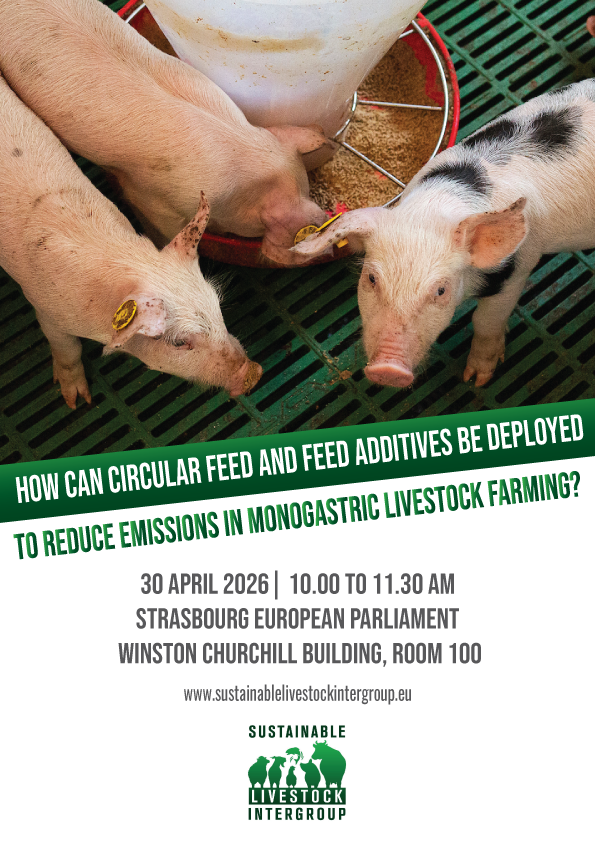
The upcoming EU Livestock Strategy highlights the need for livestock farming to contribute its fair share to the decarbonisation of the EU economy. Previously, the Sustainable Livestock Intergroup addressed the ambitions of reducing direct on-farm emissions, such as methane from enteric fermentation in cattle. For monogastrics like pigs and poultry, the production and sourcing of animal feed are the key determinants of the overall carbon footprint of livestock systems, and therefore the key focus to drive decarbonisation.
Improvements in data development on feed ingredients is a key essential first step to reliably assess where the pressure points lie, to subsequently enable innovation in animal feed formulation for carbon footprint reduction purposes. An increased use of circular feed ingredients is a key strategy in this regard, as it makes use of resources which are not cultivated with a dedicated purpose of being used as animal feed.
This Intergroup session will provide insights into these issues and showcase the main drivers and practical examples for reducing carbon emissions in livestock farming through more sustainable animal feed formulation.
This guide was written to offer something better. It is built on three pillars of scientific evidence: the nutrient density
The upcoming EU Livestock Strategy highlights the need for livestock farming to contribute its fair share to the decarbonisation of
Our Chair MEP Benoit Cassart opened the February meeting of the Sustainable Livestock Intergroup saying that we can’t talk about