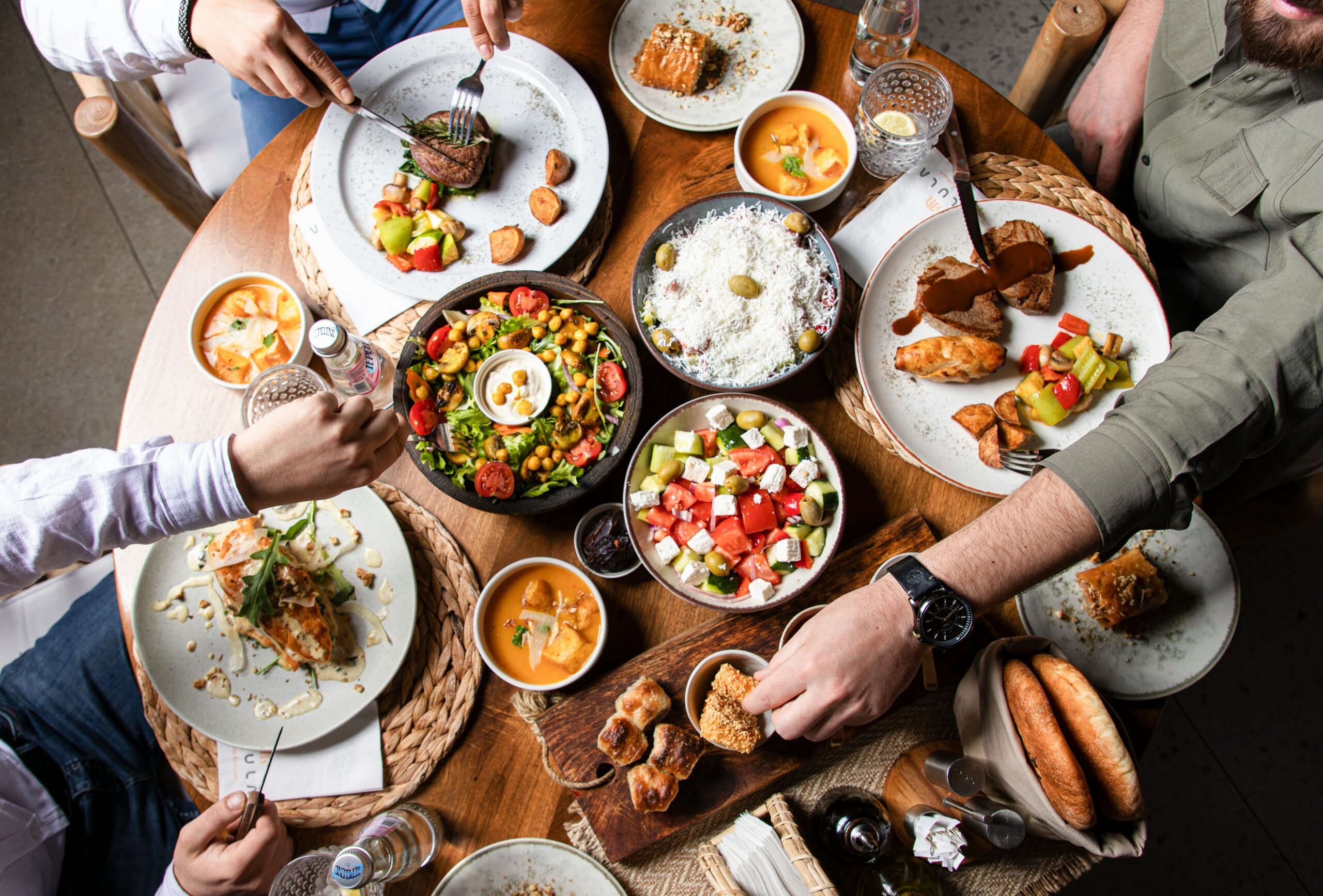
This guide was written to offer something better. It is built on three pillars of scientific evidence: the nutrient density of foods, the consequences of how food is processed, and the evolutionary dietary heritage that shaped the human metabolism over two million years. Together, these dimensions form the Nourishment Table, a practical framework that food professionals can use to structure meals that genuinely nourish, rather than merely fill.
A central message of this guide is that animal-sourced foods, including meat, dairy, eggs and fish, are not dietary villains to be minimised. They are, on the contrary, nutritional cornerstones. The scientific evidence, when assessed rigorously and without ideological filters, shows that these foods deliver the most complete proteins, the most bioavailable iron and zinc, and various nutrients that may be hard to source from plant-only diets, such as vitamins A, D, and B12, choline, and long-chain omega-3 fatty. In Europe, animal-sourced foods provide approximately 80% of the bioavailable protein in the diet. This is not an accident of culture or habit; it reflects a deep alignment between human nutritional requirements and the foods that evolution equipped us to thrive on.
We are aware that these statements challenge a prevailing narrative. The past two decades have seen growing pressure on food professionals and policymakers to reduce animal-sourced foods in European diets, driven in large part by environmental concerns and, at times, by ideological commitments that are presented as settled science. We take these concerns seriously, but we also insist on intellectual honesty. The evidence for claimed health risks of unprocessed red meat remains of low to very low certainty. The environmental calculus is far more complex than simple comparisons of greenhouse gas emissions per kilogram of food suggest. And the nutritional consequences of removing or drastically reducing animal foods from European diets would be severe, particularly for vulnerable populations: children, the elderly, pregnant women, and the economically disadvantaged.
This guide does not advocate for any single dietary pattern. It advocates for nourishment, achieved through the wide diversity of traditional and ancestral food combinations that have sustained human civilisation. It places trust in the professional judgment of the people who feed others for a living. And it provides them with the scientific foundation to make those judgments with confidence.
We hope it proves useful in your kitchen.
Peer Ederer, Frédéric Leroy and Alice Stanton
This guide was written to offer something better. It is built on three pillars of scientific evidence: the nutrient density
The consequences for agricultural production, competitiveness, and farmers’ incomes could be catastrophic.