“When dairy production goes down in Europe, we still import milk, etc. from elsewhere. This is what I call ‘sweeping the dust under the rug’.”
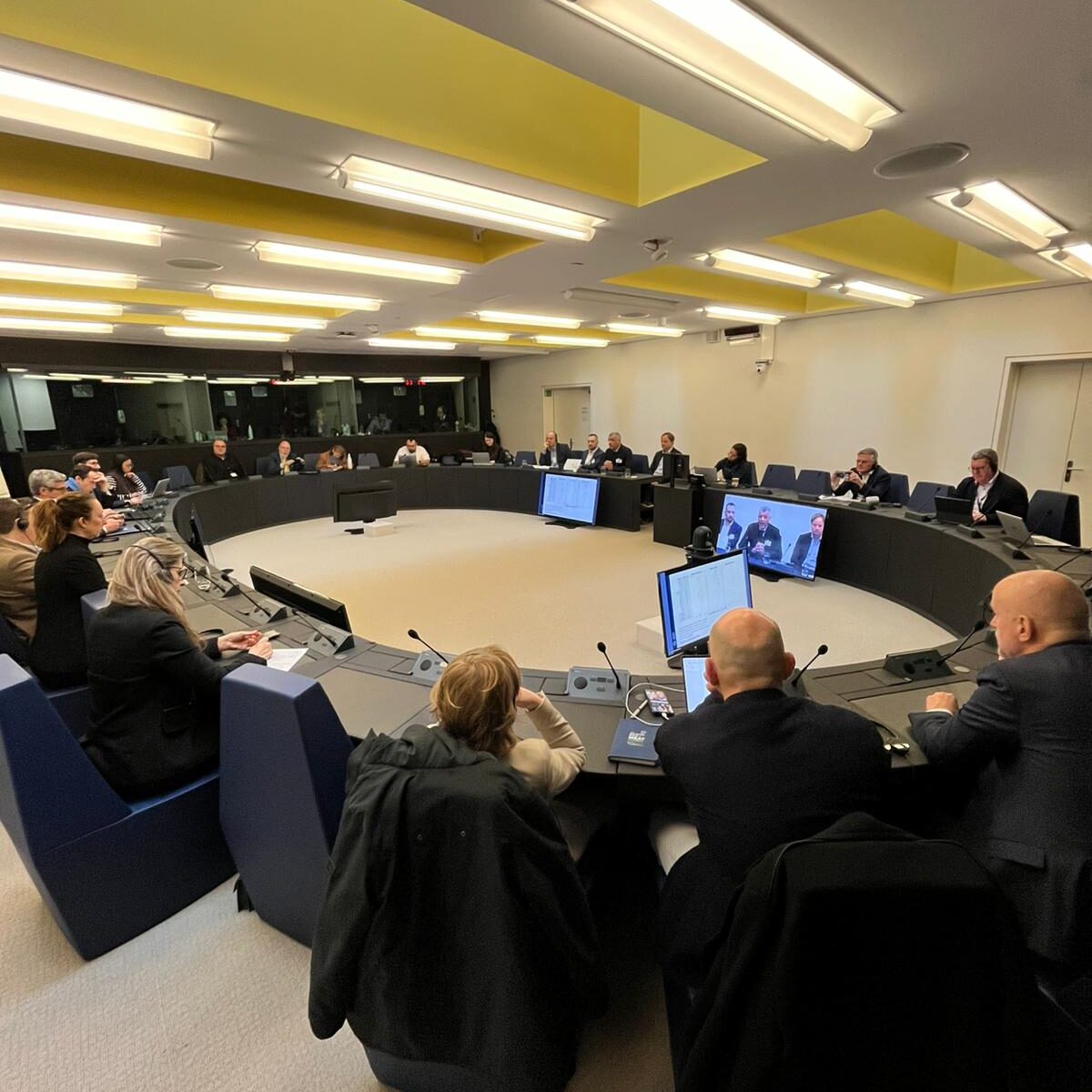
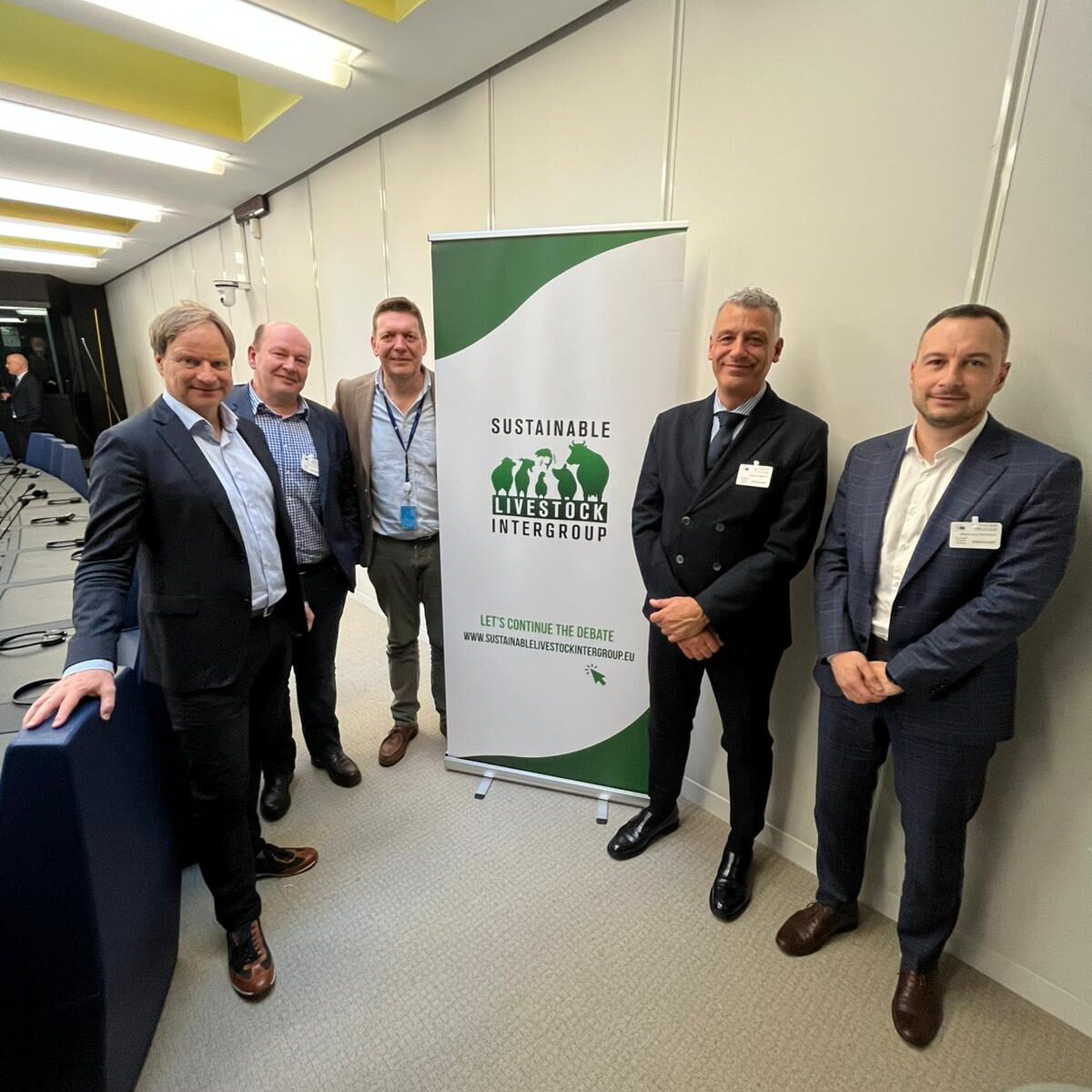
Professor Luciano Pinotti explained the importance of nutrition in reducing emissions.
He said, “As scientist, we are here to support political decision makers with scientific evidence.” He highlighted that food production in Europe is very advanced so the dairy sector should be preserved.
“We know methane is a concern for society. This is not news. Scientists have been investigating this for years, and are making progress – over 4000 papers have been published on the topic! “
“The role of Science is to present the facts and inform the decision-makers”
Then Peer Ederer told us about the fact that too much of the debate is centred on ideology rather than facts. “Nobody is denying the GHG emissions, and the need to reduce this. Science is working very hard at reducing it and will continue to do so. In fact, the entire chain is working on reducing emissions.”
MEP Dorfmann asked how the EU can politically incentivise the use of feed additives for example to reduce emissions? Or should it be the companies, or the cooperatives to incentivise this?
Peer responded that reducing emissions happens through advances in breeding, and through innovative feed strategies. One technology will not change everything, so different technologies are needed. Peer Ederer stated that adoption of such technologies can best happen through market optimisation rather than bureaucratic rules.
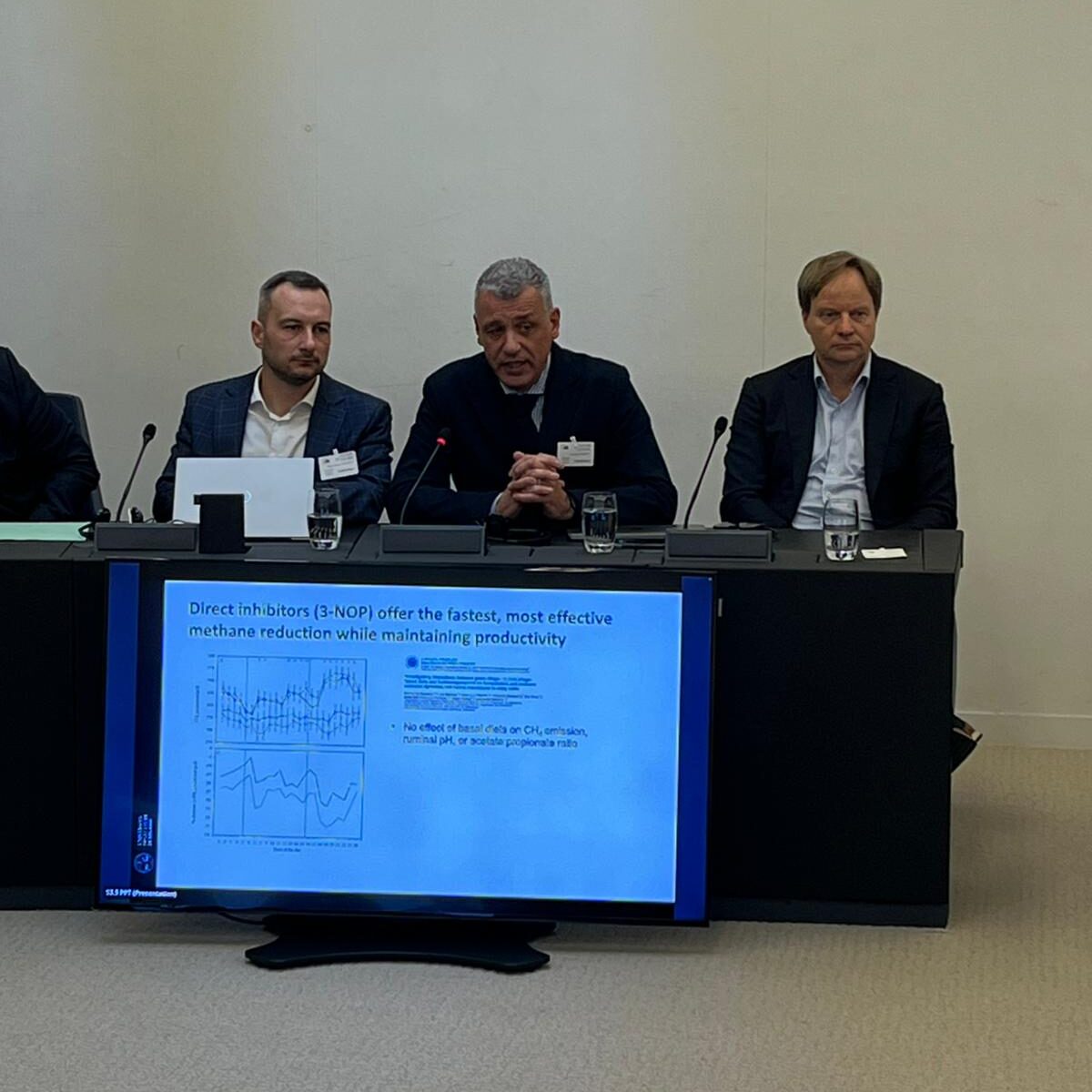
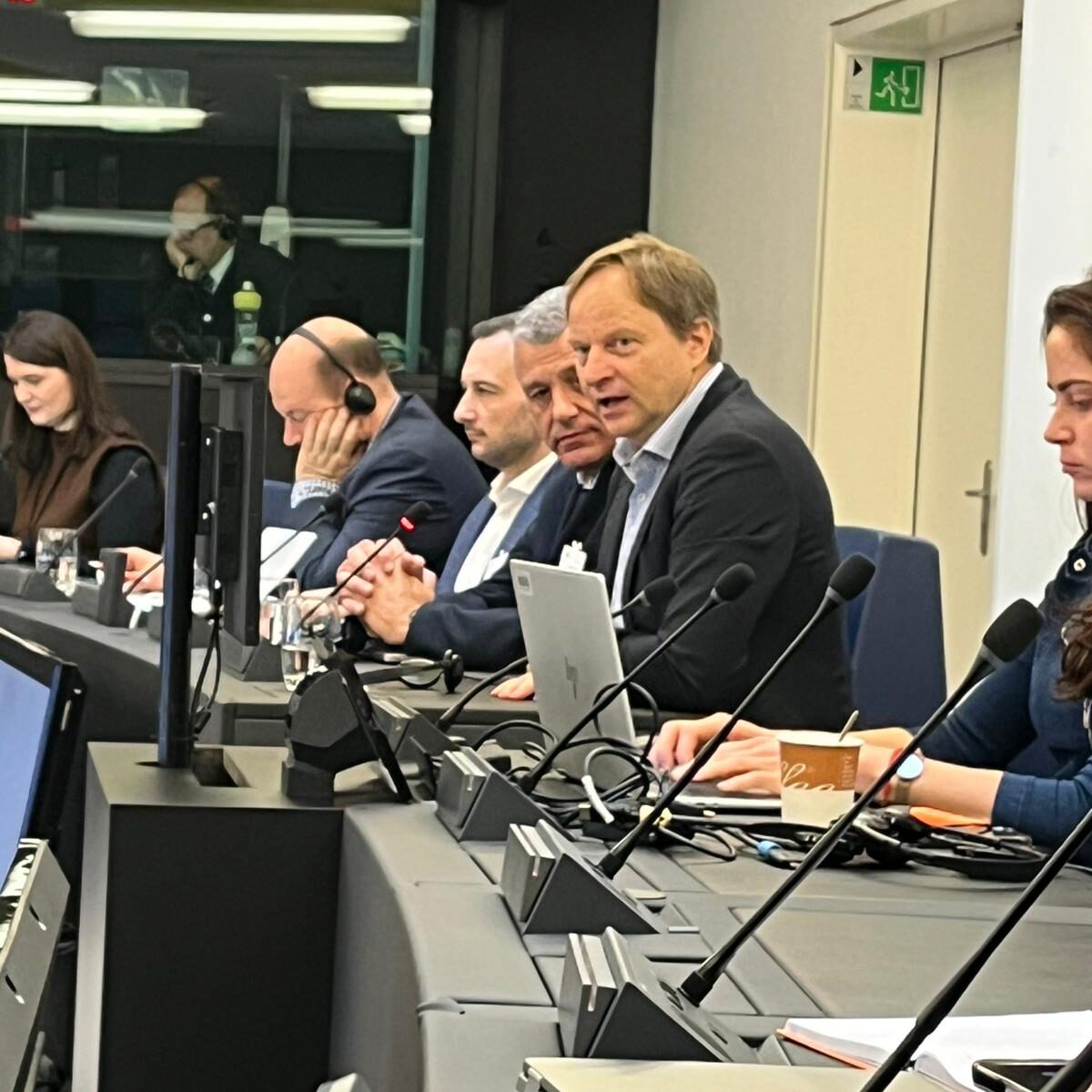
Up next, Professor Marcin Pszczola spoke about how genetics research can help to reduce emissions. Clarifying first, that other sectors emit much more emissions, he said livestock accounts for only 3% of the total emissions. Emissions have reduced per output over the years thanks to breeding techniques, and this genetic trait lives on in the next generation of animals, so it’s a permanent change.
Finally, Ludovic Blin, a French dairy farmer shared his personal experience of day to day work and how he implements EU rules. He outlined his efforts to measure the environmental impact of his farm, quantifying KGs of CO2 per litre of milk. His action plan to reduce emissions included using proteins produced in France (lucerne), rather than soy from elsewhere. “We import 30% of our protein for feed so we need to find a way to produce this in Europe”. Ludovic Blin finished his intervention by saying “Right now, the dairy industry is facing three big challenges. Producing more, producing better, and attracting young people.”
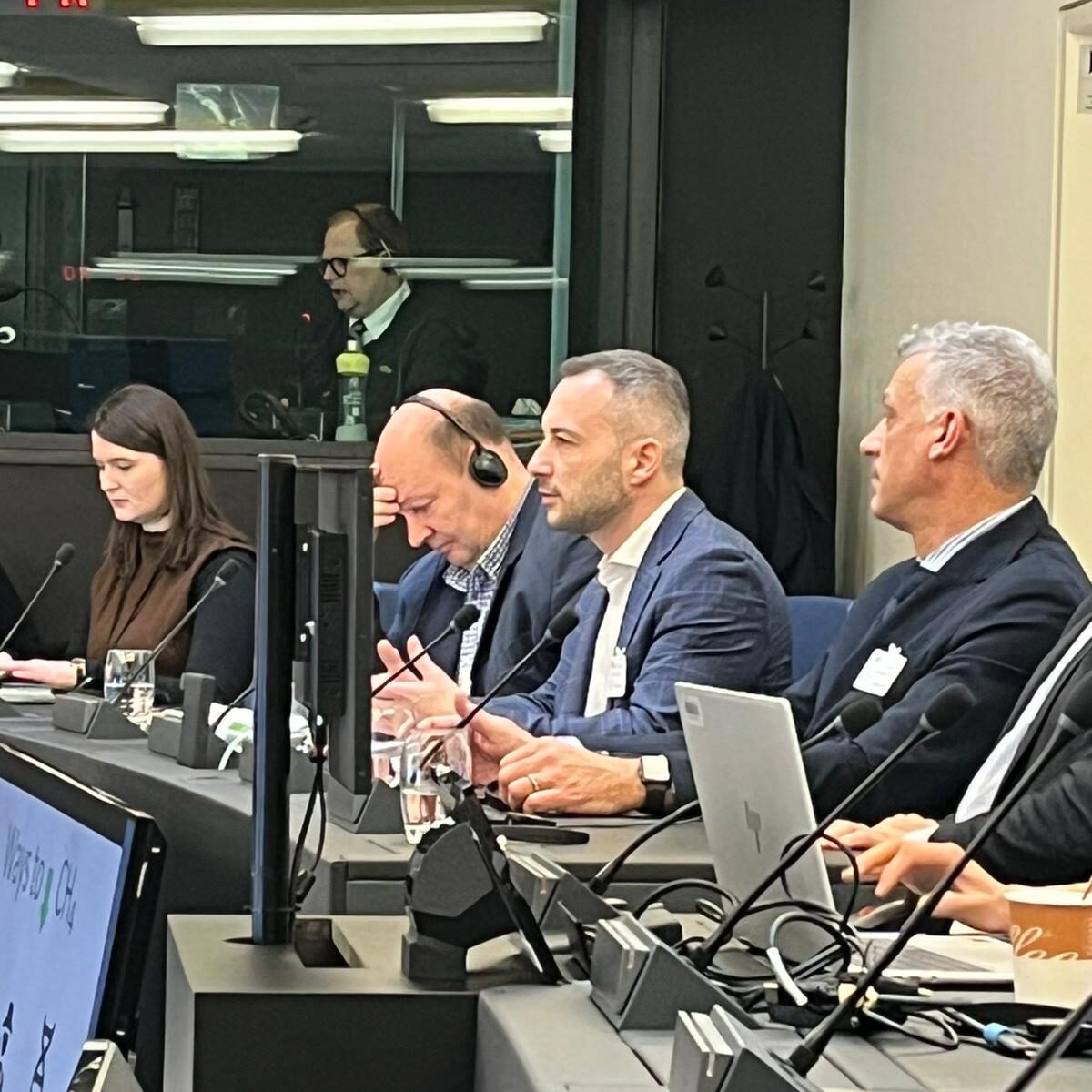
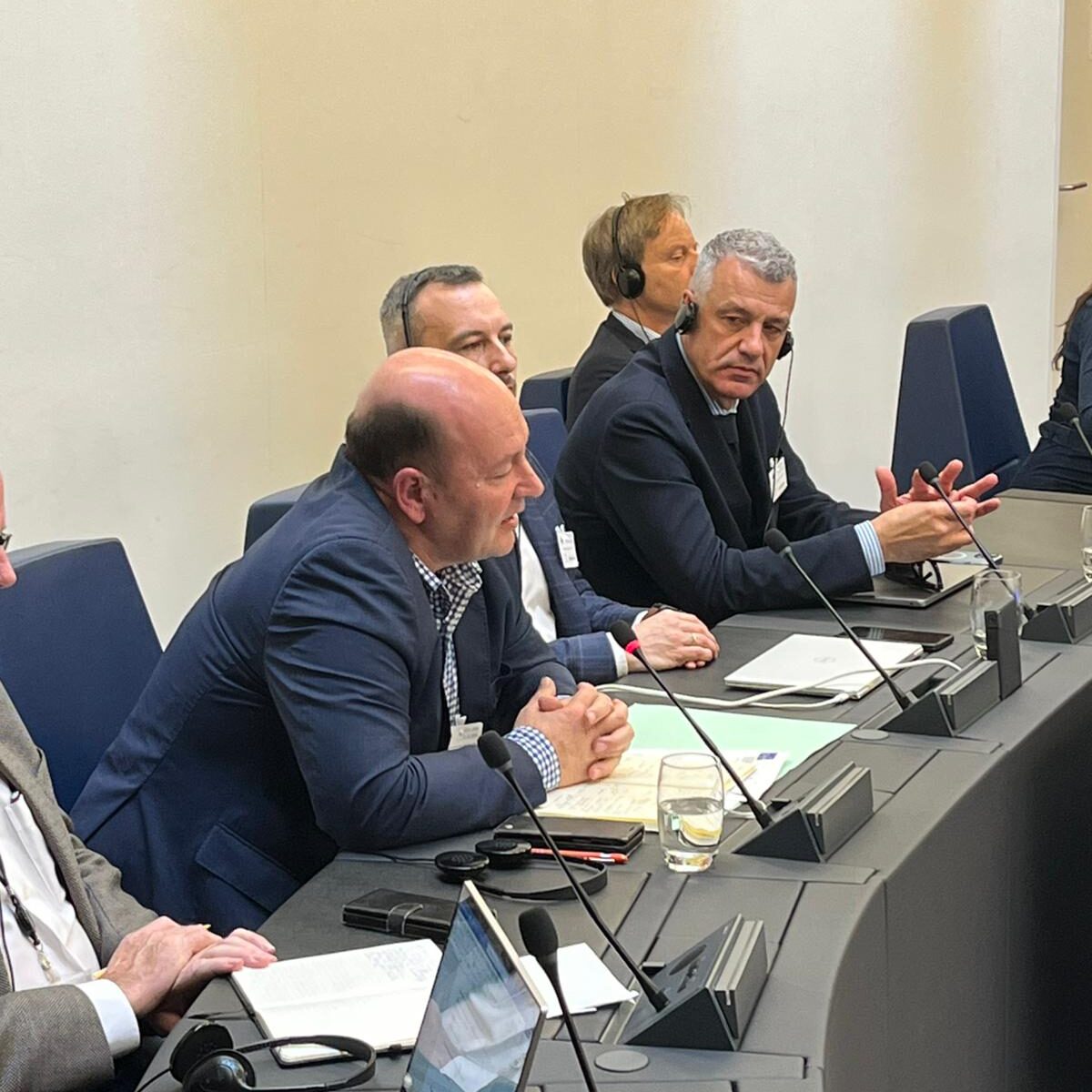
Joining the Intergroup online from the European Commission, Emmanuele Paolo from DG CLIMA highlighted that with 66% of emissions come from agriculture, action must be taken, but livestock is a cornerstone of EU Agrifood with 40% added value in agriculture. He said that additional measures are needed to support livestock farms through the sustainability transition. Farmers need incentives to use technologies, and we need to foster further innovation in areas like feed additives and breeding.
The final quote from our Chair MEP Benoit Cassart sums it up perfectly : “Science must take precedence over emotions”
Thank you to the MEPs present,Valerie Deloge, Stefan Kohler, Herbert Dorfmann, Charles Goerens, Jeremy Decerle and for their interventions.
The Common Agricultural Policy (CAP) must remain a central framework to support European agriculture and the conditions to enable farmers
How do the requirements of the EU Deforestation Regulation (EUDR) impact the competitiveness of the EU livestock sector? The EUDR
Momentum for progressive investment in more sustainable farming systems has slowed down or even stopped due to over restrictive and burdensome